


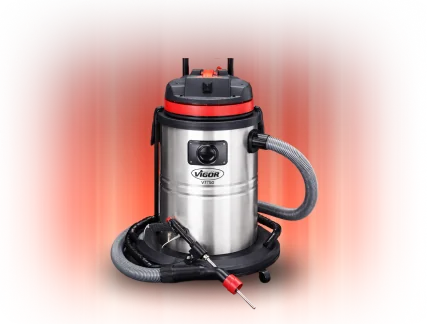



A coked-up intake system is a silent power thief. Carbon builds up on the intake valves and manifold walls, restricts airflow and ruins the mixture. The result? The car loses power, burns more fuel and starts to hesitate — while OBD diagnostics often show nothing.
Where carbon on the valves comes from
The problem mainly affects engines with direct fuel injection (FSI, TSI, TFSI, GDI). In classic port injection, petrol washed over the intake valves and rinsed off deposits. With direct injection the fuel goes straight into the cylinder, so the valves aren't washed by anything. Add crankcase vapours and exhaust gas recirculation (EGR) and, over time, a hard carbon crust forms.
Symptoms of a coked-up intake
The most common signs that carbon is taking its toll:
- Noticeable power loss and weaker acceleration
- Rough running when cold, jerking and vibration
- Higher fuel use with no obvious cause
- A 'check engine' light and misfire faults
- Harder starting and choking at low revs
When it's not the plugs or the DPF
If you've replaced the plugs, coils and filters and the engine still hesitates, the culprit is very often a coked-up intake. Standard OBD diagnostics won't show it.
How walnut blasting works
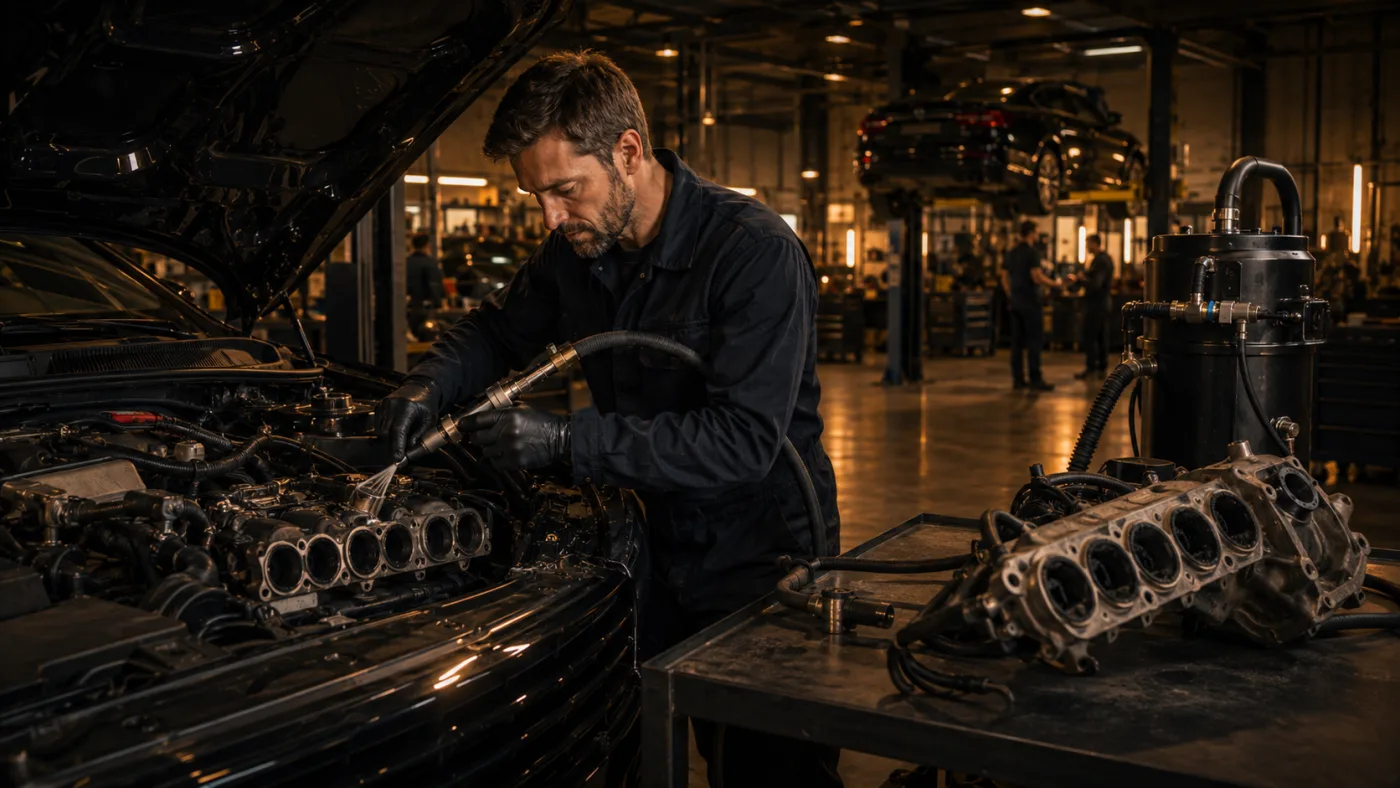
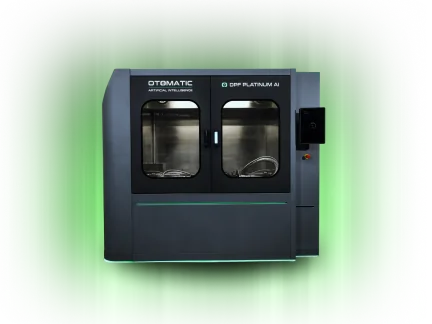
It's a mechanical method with no aggressive chemicals. We remove the intake manifold, expose the valves and connect a dedicated machine. Fine walnut-shell granulate is blasted in under air pressure — it strips carbon off the valves and ports and is immediately vacuumed away with the debris. The shells are hard on carbon but soft on metal, so they don't scratch the valves.
No cylinder-head removal
Walnut blasting restores flow without dismantling the head or replacing valves — far cheaper and faster than an overhaul, and you feel the difference right away.
Which cars it makes sense for
- VAG 1.4/1.8/2.0 TSI/TFSI engines (Audi, VW, Škoda, Seat)
- BMW N-series (N43, N53, N20, N55) and other direct-injection engines
- Mercedes CGI, Ford EcoBoost and other GDI units
- High-mileage cars driven mostly in the city and on short trips
If your car has direct injection and has passed 100,000–150,000 km, it's worth checking the intake — even as a precaution. It's one of the simplest ways to recover power and cut fuel use without a major overhaul.

Suspect a coked-up intake?
Book a diagnosis — we'll check the valves and advise whether walnut blasting makes sense.