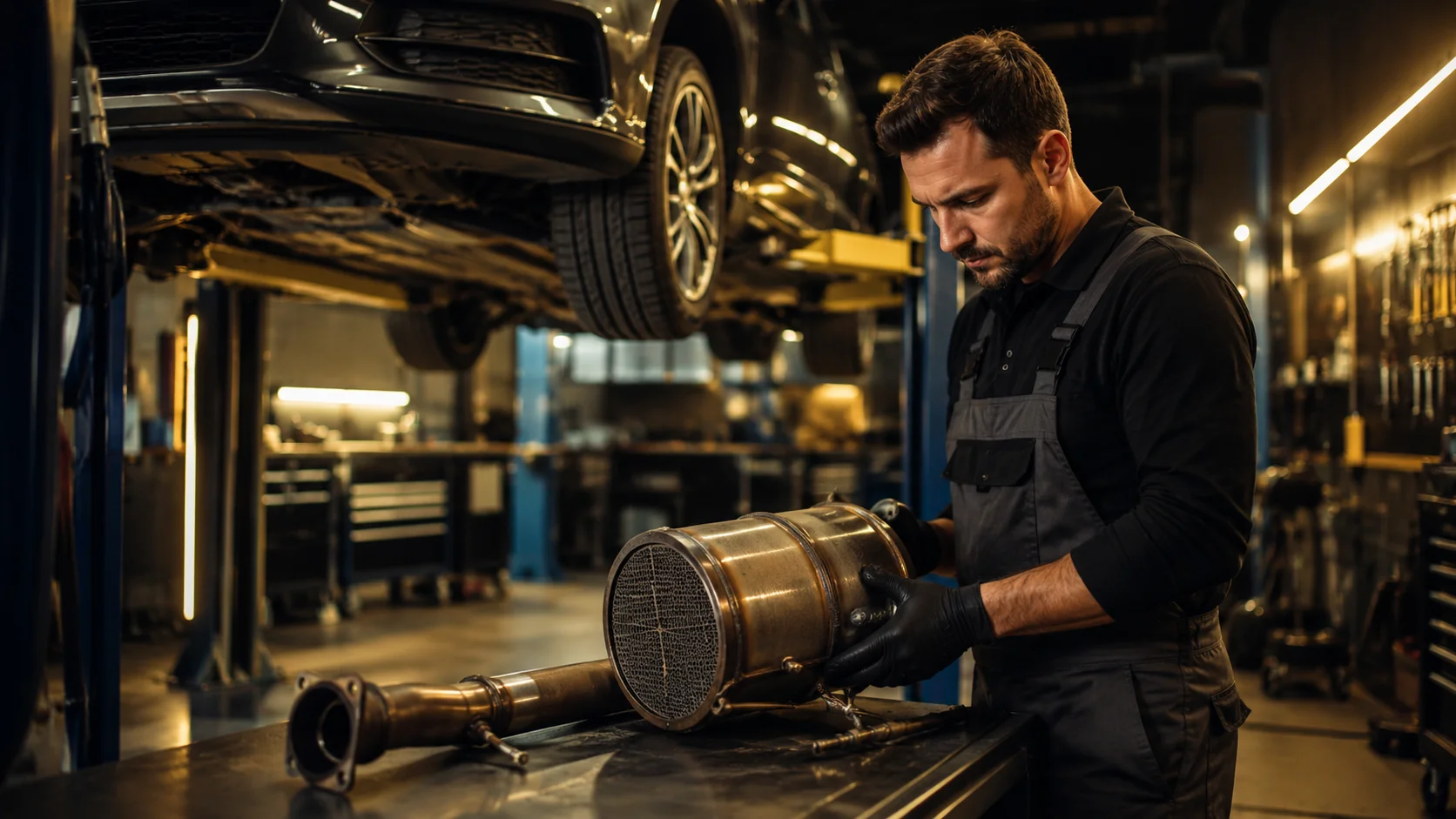








The customer came with a common diesel problem: power loss, a dashboard light, and the car going into limp mode. The first diagnosis elsewhere was: replace the DPF filter for several thousand. We started with a question — does the filter really need replacing?
Symptoms and the first diagnosis
The car showed the classic set of symptoms of a clogged DPF:
- a clear power drop and the engine “choking”
- frequently going into limp mode
- increased fuel consumption
- the particulate filter warning light
Clogged doesn’t mean destroyed
Many DPF filters deemed “for replacement” are actually clogged with soot and can be effectively cleaned.
Why we chose regeneration
Reading the parameters showed the filter was heavily clogged but technically sound — no cracks or damage to the element. In such a case, regeneration is cheaper, faster, and just as effective as replacement.
Savings of several thousand
A new DPF filter costs from 2,000 to even tens of thousands. Regeneration costs a fraction of that.
The regeneration process
- removing the filter and assessing its condition
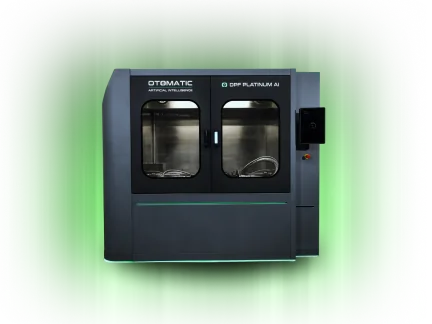
- thorough cleaning of accumulated soot and ash
- checking the element’s flow and seal
- reinstalling and resetting the parameters in the controller
After regeneration, prevention matters
Short city trips encourage DPF clogging. Sometimes just changing your driving style keeps the problem from coming back.
The result
After regeneration and a reset, the car regained full power, limp mode disappeared, and fuel use returned to normal. The customer paid a fraction of a new filter’s price and drove away in a fully working car.

Is your car losing power and going into limp mode?
We’ll check the DPF and tell you straight — regeneration or replacement.