





A good workshop is one you return to not because something broke again, but because you trust it. How do you find it among dozens of offers? We’ve gathered the key signs worth paying attention to before you hand someone your keys.
Check reviews and history
Start with Google reviews and recommendations from friends. What matters isn’t just the rating, but how the workshop responds to criticism and whether it’s been around for years.
Read the content, not just the stars
Specific descriptions say the most: how the repair went, whether the deadline was met, and whether the price matched the quote.
Pay attention to transparency
An honest workshop:
- gives a quote before starting work
- explains the scope of the repair in plain language
- informs you of any additional costs
- shows the replaced parts when finished
Equipment and competence
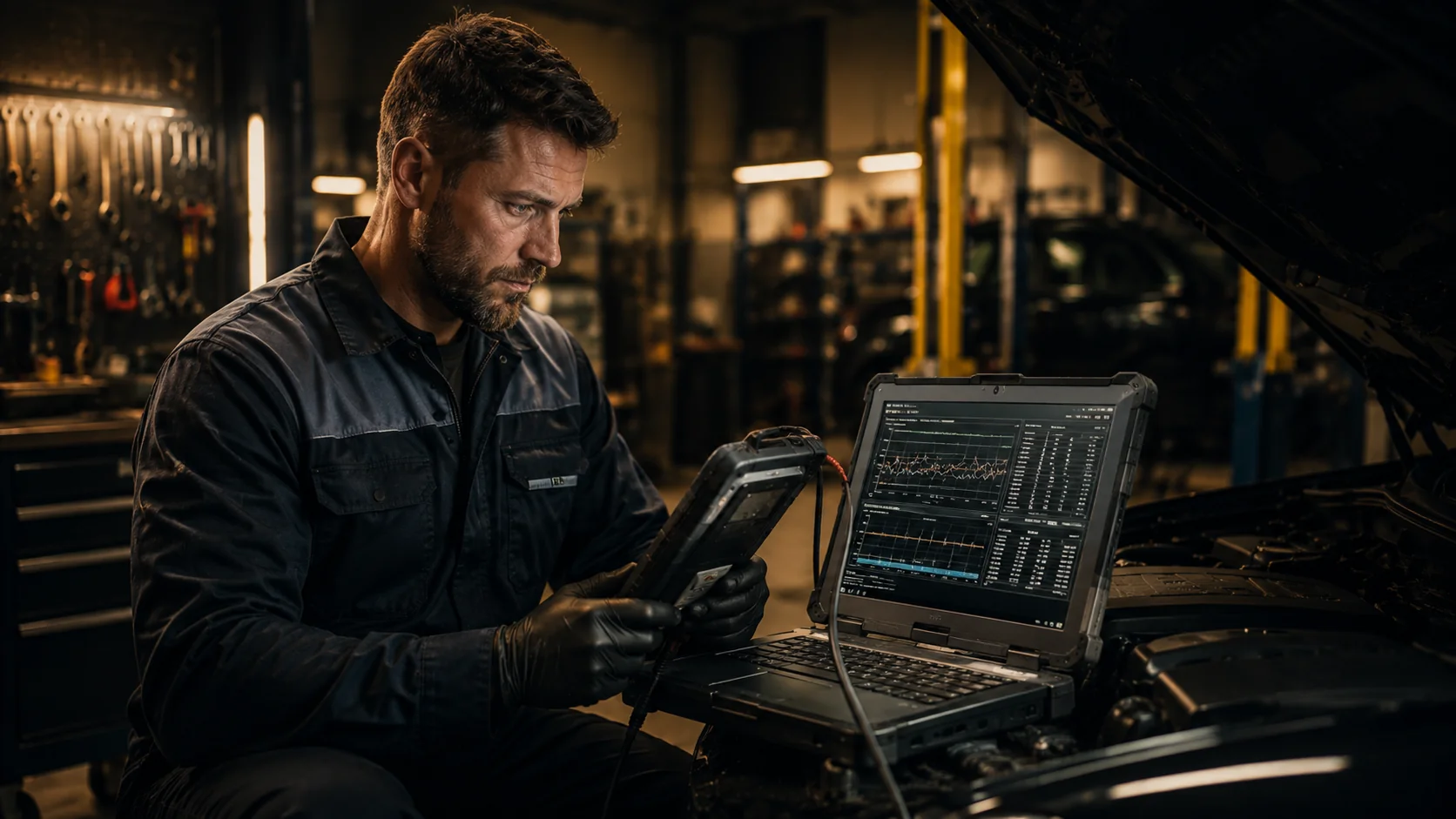
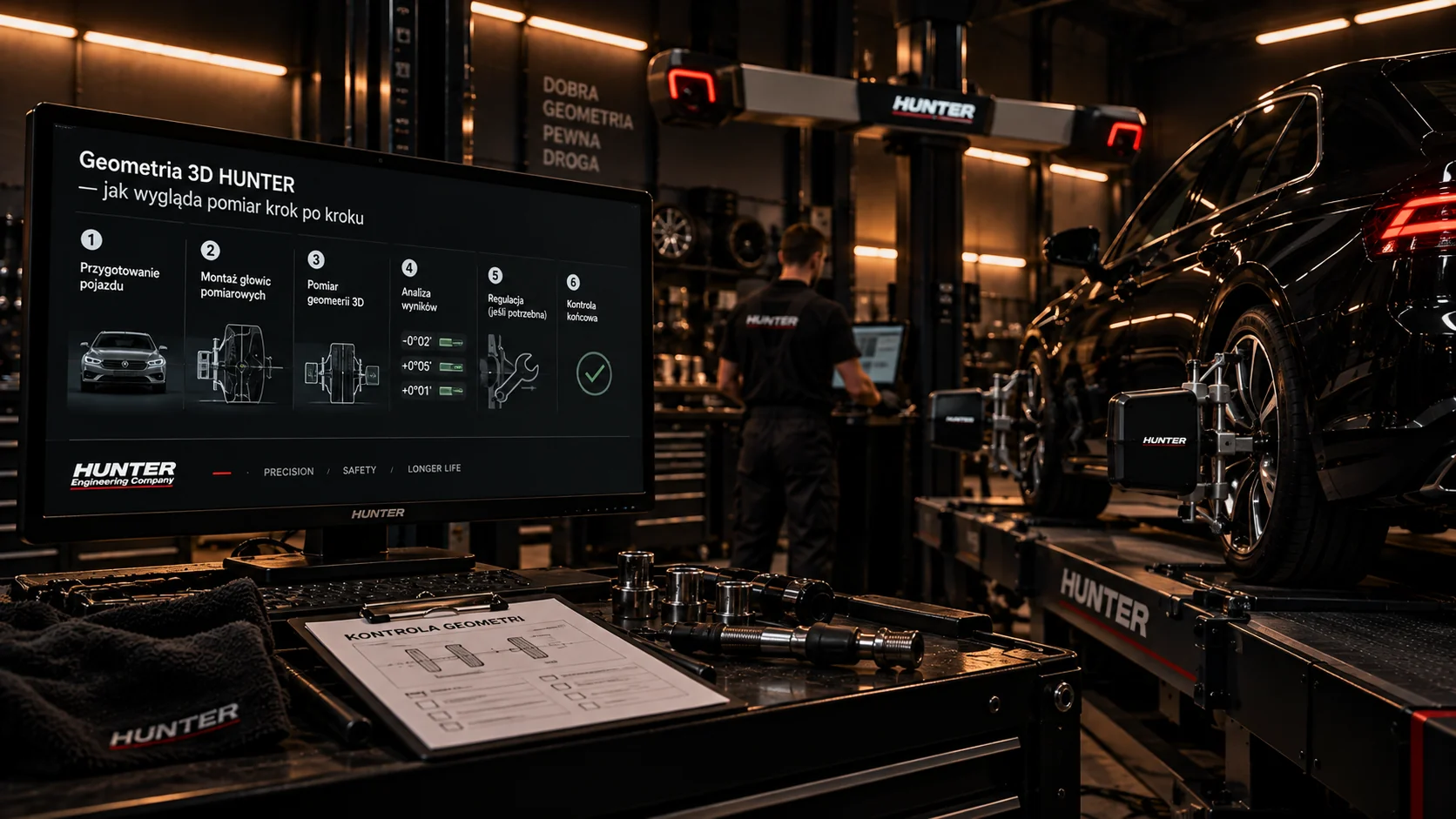
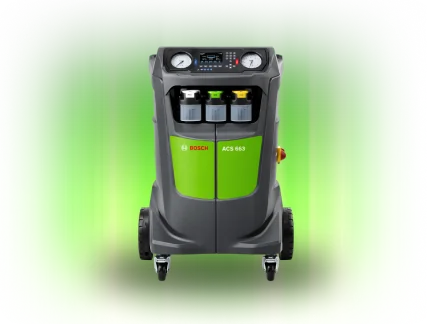
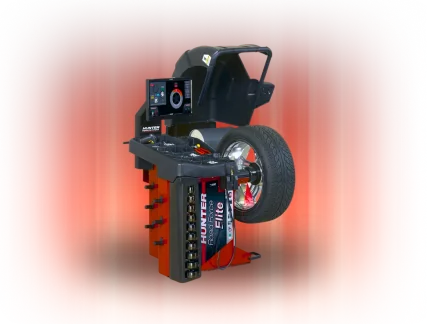
Modern diagnostic equipment and the right tools aren’t a luxury but the basis of a precise repair. Ask whether the workshop has experience with your make and type of fault.
Specialisation is an advantage
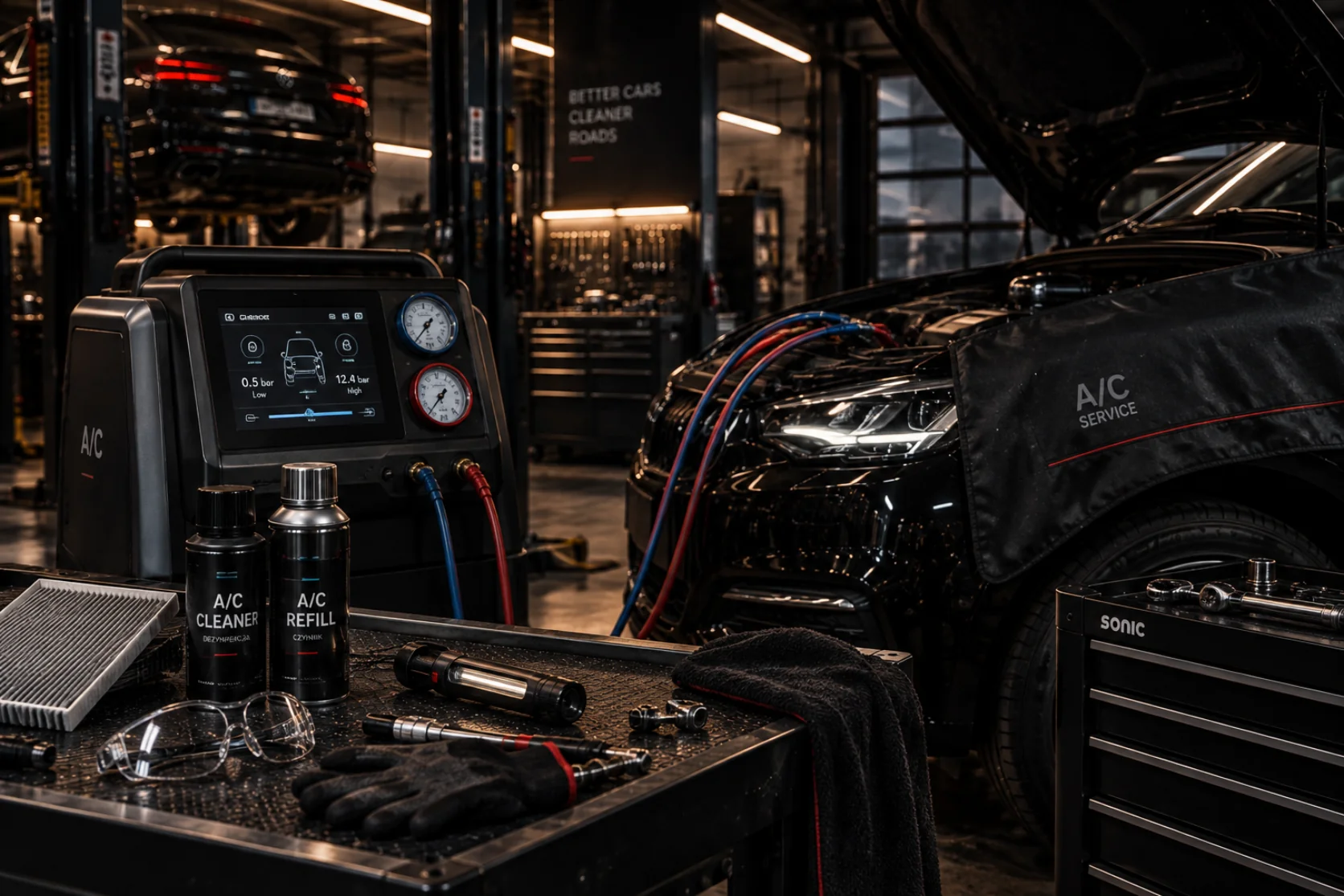
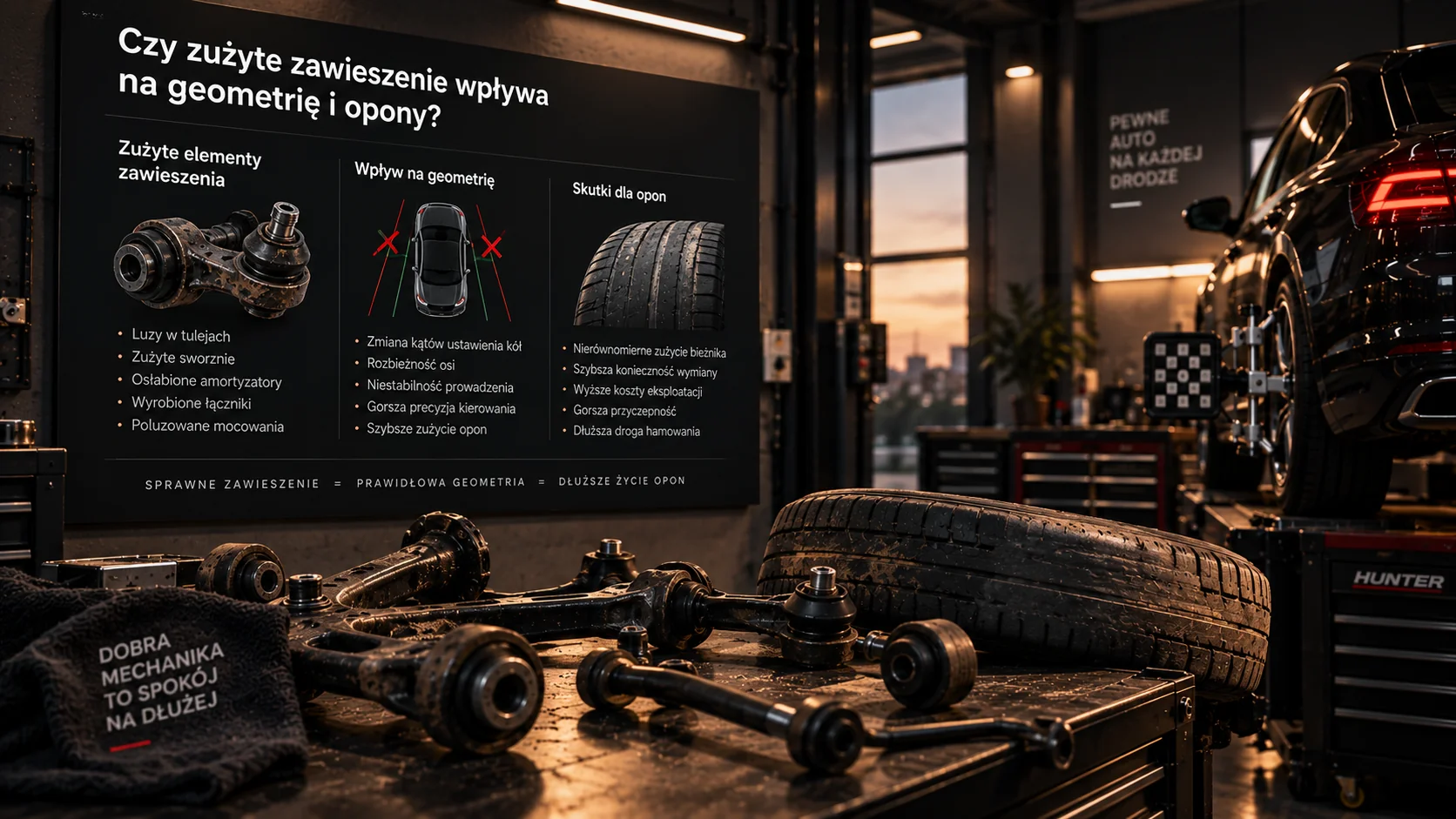
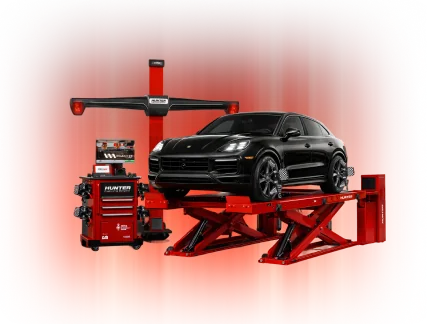
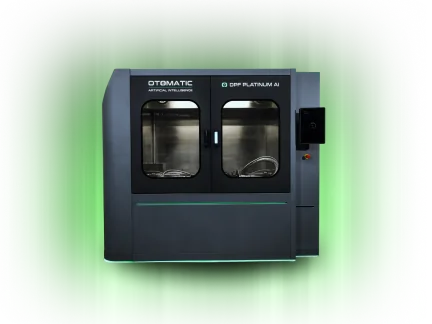
A workshop experienced in specific areas — alignment, A/C, or DPF — will diagnose the problem faster and more accurately.
Warranty and customer approach
A warranty on labour and parts is proof that the workshop stands behind its work. Also notice how they talk to you — whether they answer questions or brush you off.
Beware of time pressure
If someone pressures you to decide “on the spot” without a quote or explanations, that’s a warning sign.
Summary
- Check the workshop’s reviews and experience
- Demand a quote and transparency
- Ask about experience with your make
- Make sure there’s a warranty
- Assess how they talk to you

Looking for a workshop you can trust?
Come in for a conversation and a diagnosis — see how we work before you commission the repair.