






Before a long drive, check eight things in your car: tyre condition and pressure, brakes, fluid levels (oil, coolant, brake fluid, washer fluid), the air conditioning, the battery, lights and wipers, the suspension, and the emergency kit. Some of it you can do yourself in a few minutes on the driveway; the rest is worth leaving to a calm inspection a few days before departure — so there's time for any repair. Below you'll find a complete point-by-point checklist, with real thresholds for "drive on" and "better get it checked". You can sort it all in one place, in Wrocław at Grabiszyńska 241 — either on your own in our self-service zone, or with a mechanic's help.
Inspect a few days early, not on the day you leave
The most common mistake is checking the car the evening before you leave. If something turns up — worn pads, a leak, a weak battery — you won't have time to fix it. Plan the inspection 3–5 days before the trip, so there's time for parts and adjustments.
1. Tyres — the most important point of contact with the road
On a holiday drive the car is heavier (luggage, passengers, often a roof box), and summer asphalt is hot — the toughest conditions for tyres all year. Start with them.
- Tread depth — the legal minimum is 1.6 mm, but on a wet road at motorway speed a genuinely safe margin is 3 mm or more. Below that, wet-braking distance rises sharply.
- Pressure — check on cold tyres and set it to the placard value (usually on the driver's door pillar or the fuel-filler flap). For a loaded car you normally pick the higher "fully laden" figure.
- Even wear — if the tread wears on one side (inner or outer), it's a sign of misaligned wheels, not the tyres themselves.
- Sidewall condition and tyre age — cracks, bulges and hard, cracked rubber are grounds for replacement even with good tread.
- Spare wheel / repair kit — check it's actually there, holds pressure, and that the wrench and jack are with it.
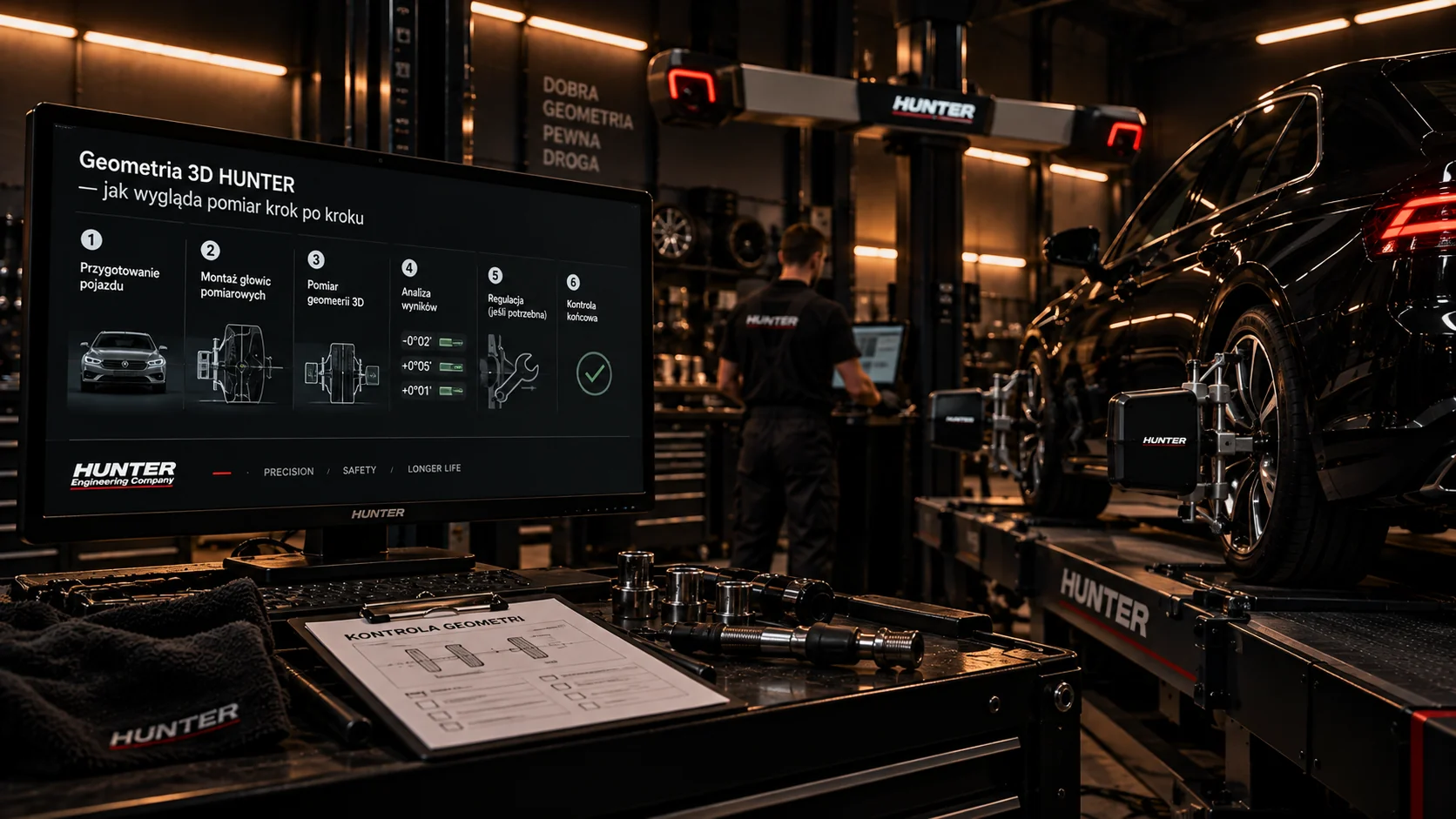
Uneven wear? Get the wheel alignment done before the trip
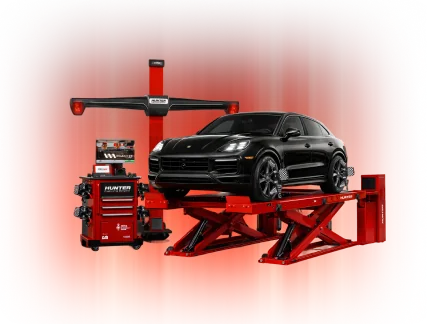
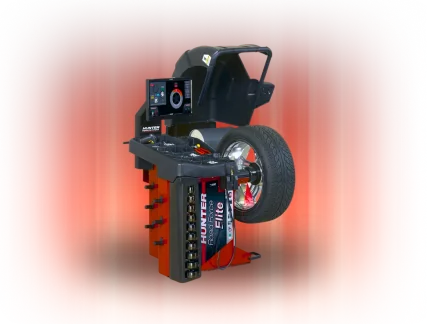
If the tyres wear unevenly or the car "pulls" on a straight road, that means not only faster rubber wear but also higher fuel use and worse handling at 140 km/h. A 3D measurement on the HUNTER catches the problem before you ruin a set of tyres on holiday.
2. Brakes — check them before you need them
Mountain descents, towing a trailer, frequent braking in traffic jams on the road — holidays can heavily load the braking system. What to watch for:
- Pad thickness — a thin layer of friction material (below about 3 mm) means a replacement is due soon; better to do it before you leave than to hunt for a workshop 500 km from home.
- Symptoms while braking — squealing, grinding, steering-wheel vibration or a pulsing pedal signal worn pads or warped discs.
- Brake-fluid level and age — the fluid absorbs moisture; old fluid lowers the boiling point and on a long descent can give a "soft" pedal. Replacement is usually recommended about every 2 years.
- How the car reacts — if the car pulls to one side while braking, have the system checked at a workshop.
3. Fluids and oils — a quick check under the bonnet
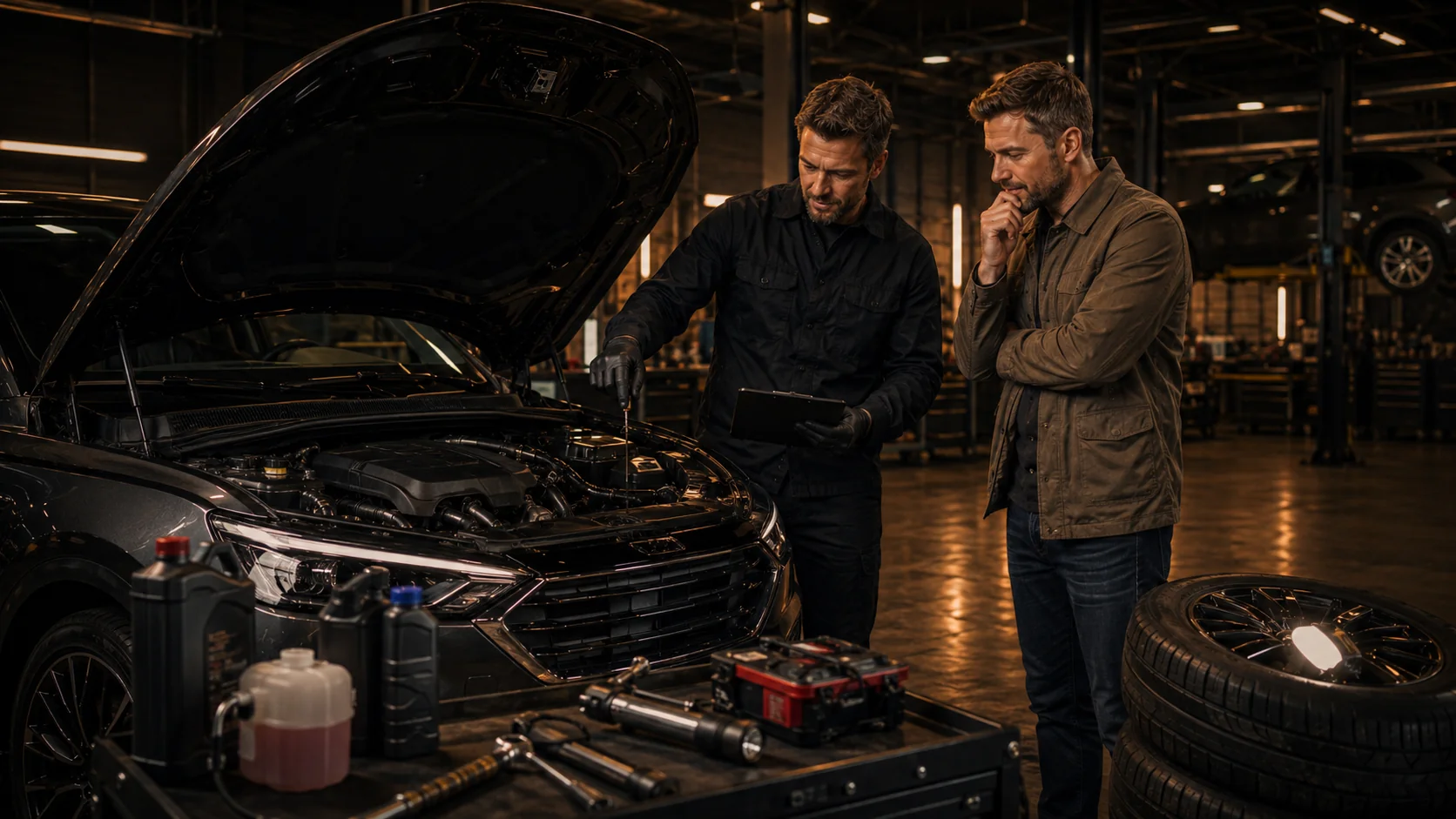
You can check most levels yourself in five minutes on a cold engine and level ground. It's the cheapest insurance before a trip.
- Engine oil — level on the dipstick between MIN and MAX; if a change is due (mileage or time), do it before the trip, not after.
- Coolant — level in the expansion tank; in summer, in a traffic jam and with the AC running, it's what protects the engine from overheating.
- Brake fluid — level within range; a drop can mean worn pads or a leak.
- Washer fluid — a full reservoir and working nozzles; insects and dust on the road can dirty the windscreen in a minute.
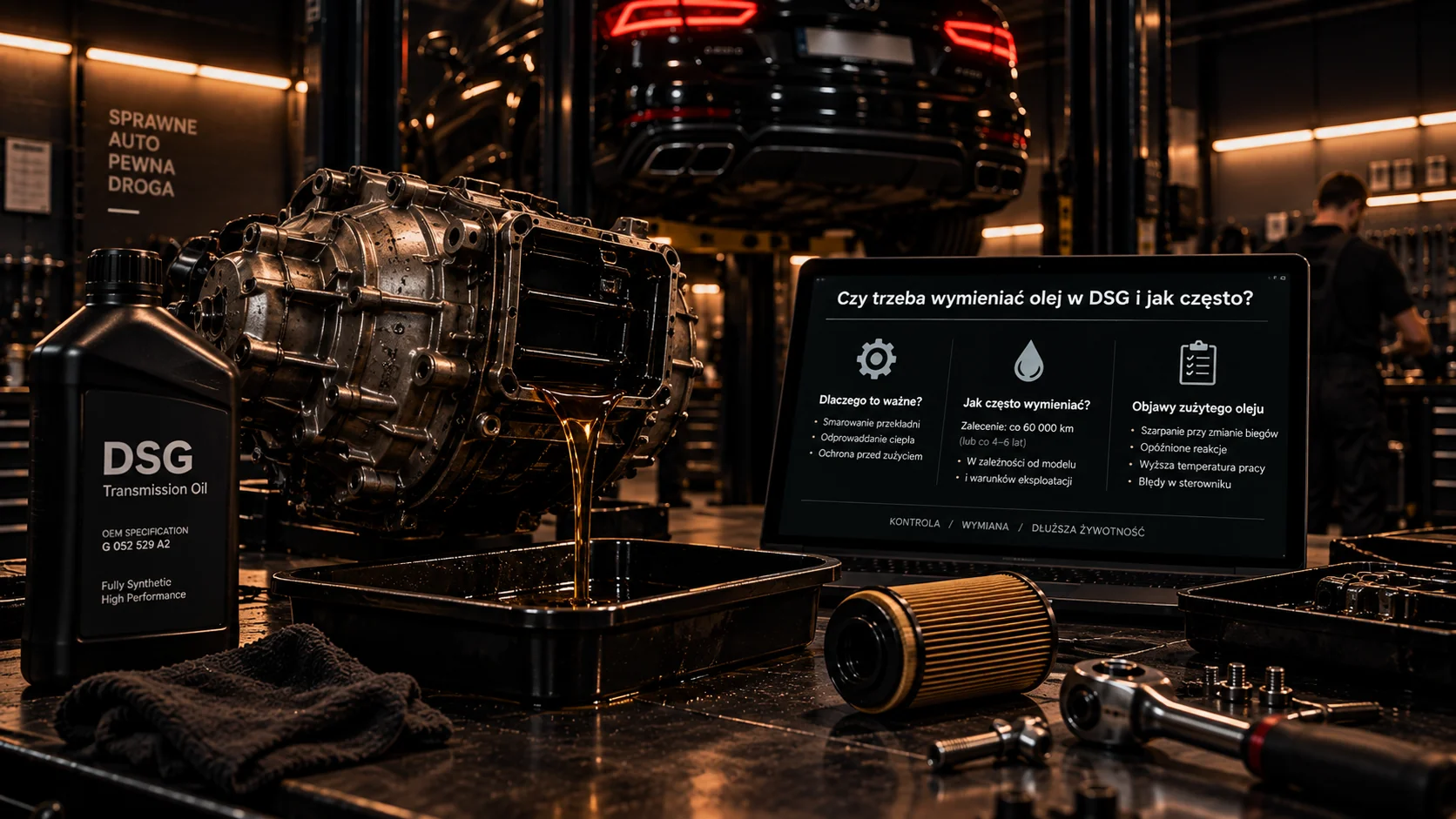
- Power-steering fluid / transmission oils — no leaks under the car; a dark patch on the parking spot is a warning sign.
You can top up fluids and oil yourself in the Zone
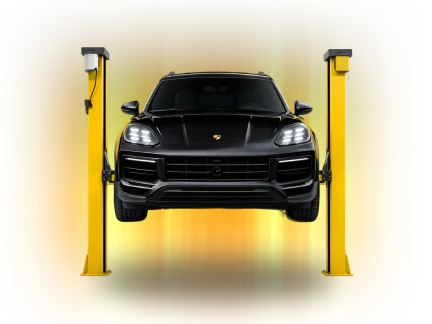
Checking and topping up are ideal one-hour jobs in the self-service zone — the car on a lift, good lighting and a full set of tools at hand. Trickier work (e.g. a brake-fluid change with bleeding) you can hand to a mechanic next door.
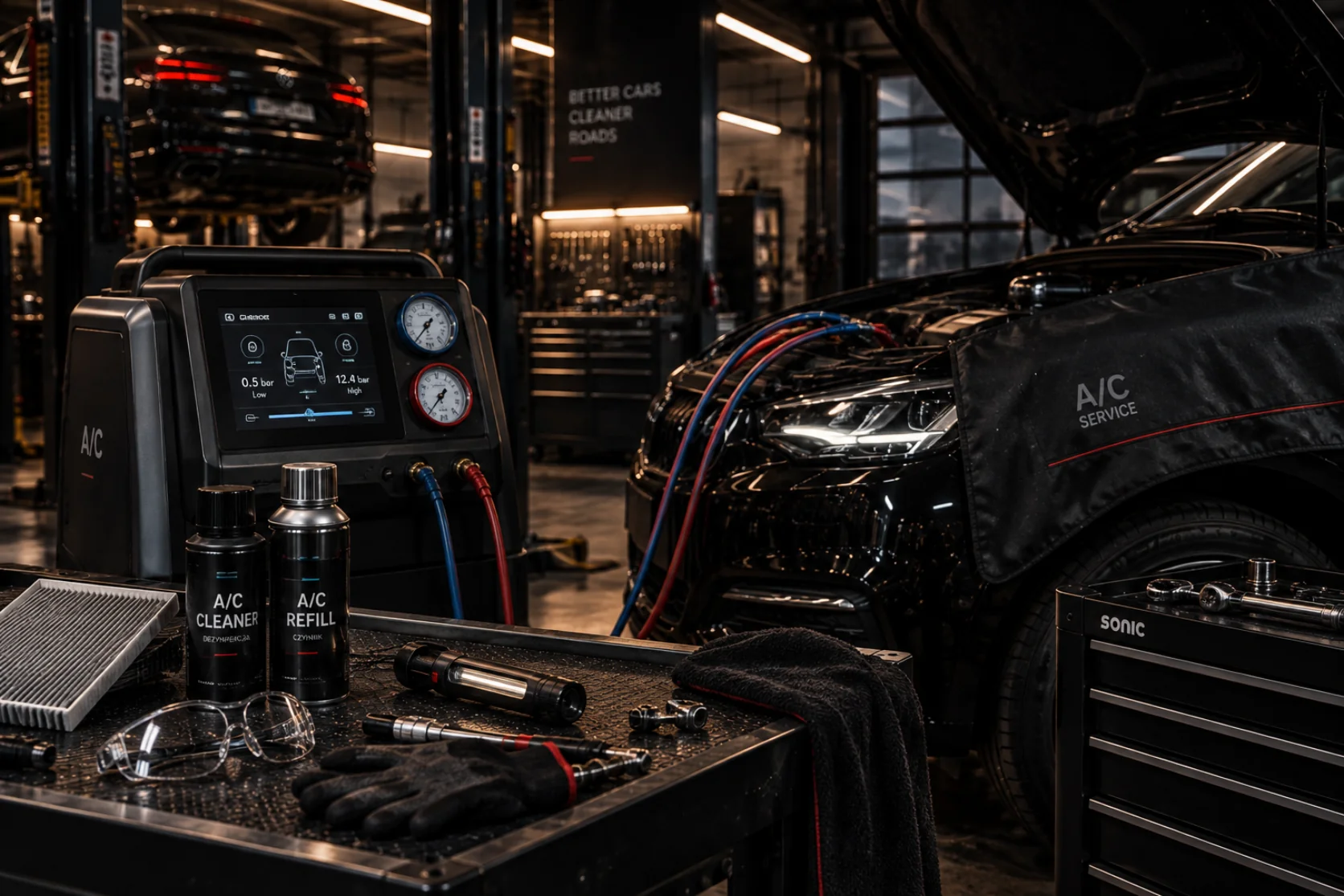
4. Air conditioning — comfort and safety in summer
In the heat, working air conditioning isn't a luxury but a matter of the driver's concentration over several hours behind the wheel. How to assess its condition:
- Cooling power — if the AC "barely pulls" despite maximum settings, the refrigerant has probably run low and it needs a recharge.
- Smell when switched on — an unpleasant, musty odour means mould and bacteria on the evaporator; anti-fungal treatment / disinfection helps.
- Service interval — refrigerant escapes naturally at about 10% a year, so a recharge every 1–2 years keeps full performance.
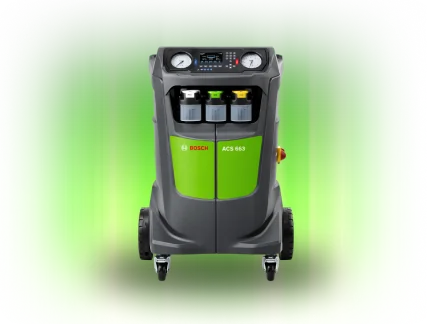
- Pre-season check — on the Bosch station we'll check the seal and performance, so you don't run short of cool air on the road.
5. Battery and electrics
Contrary to popular belief, batteries can fail in summer too — heat speeds their wear, while the AC and long stops add load. You don't want to be looking for a jump-start in the hotel car park.
- Battery age — over 4–5 years it's worth measuring its condition (a load test) before it lets you down.
- Signs of weakening — a lazy, "heavy" start, lights dimming at idle, the charging warning light.
- Terminal condition — clean, tightened and free of white deposits; a loose terminal can mimic a battery fault.
- Alternator — if the car stalls or the electrics "go haywire", have the charging checked at a workshop.
A warning light on? Don't ignore it before a trip
A warning light on? Don't ignore it before a trip. See our guide to <a href="/blog/kontrolki-na-desce-rozdzielczej">dashboard warning lights</a> and diagnose the problem before you leave, not on the hard shoulder of the A4.
6. Lights, wipers and visibility
- All lights — dipped, main beam, side, brake, indicators, reverse and the rear fog light; ask someone to help check the rear, or park the car with its back to a wall.
- Headlight aim — with a loaded boot the rear sags and the lights can dazzle others; many cars have a headlight-levelling dial.
- Wiper blades — streaking and juddering across the glass are a sign to replace them; in summer a sudden downpour can cut visibility to nothing.
- Clean glass and mirrors — including from the inside; a fogged or dirty windscreen tires the eyes on a long drive.
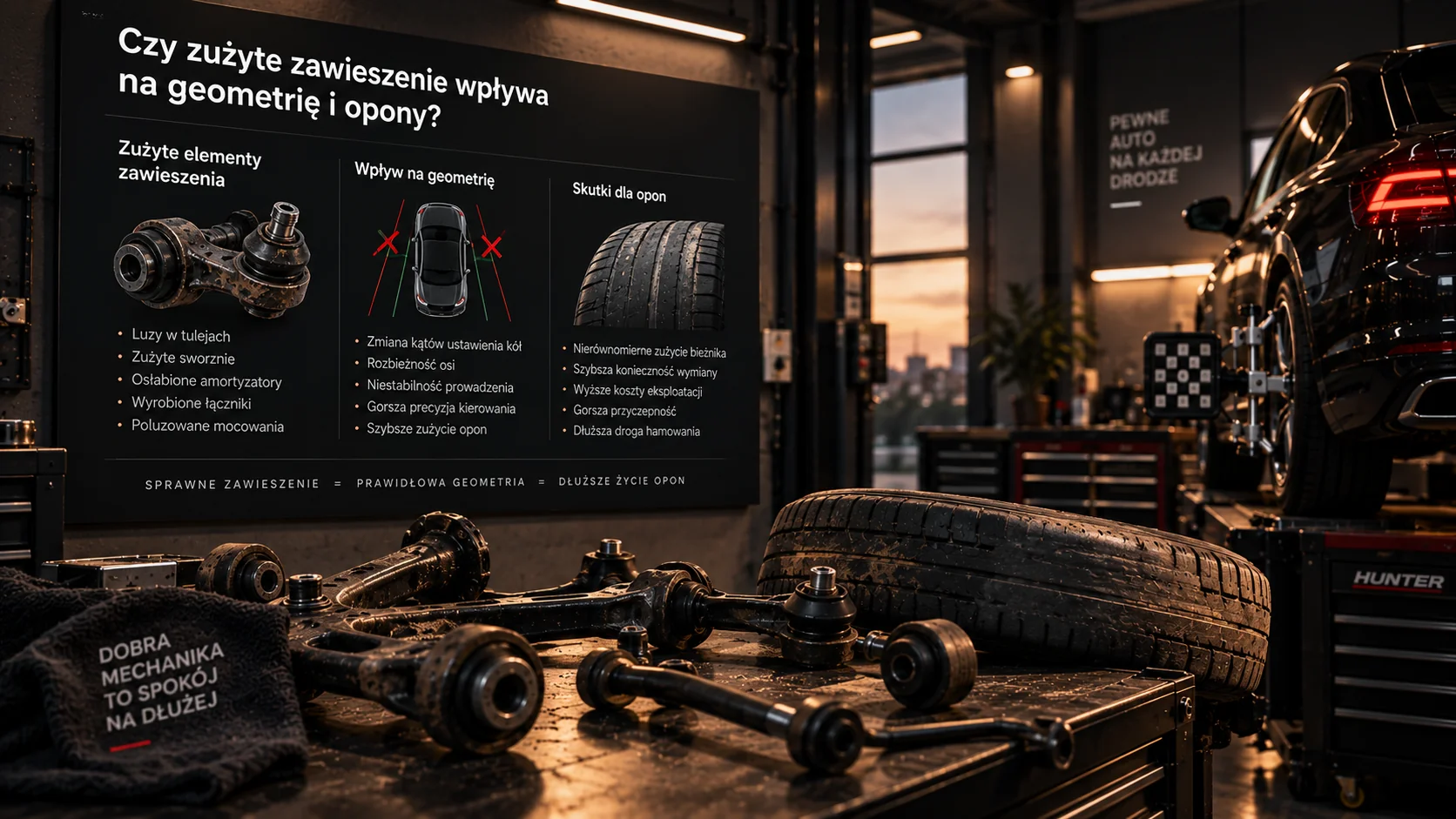
7. Suspension, alignment and play
A few hours of motorway quickly expose tired suspension — the car "floats", tires the driver and handles worse when overtaking. Watch for:
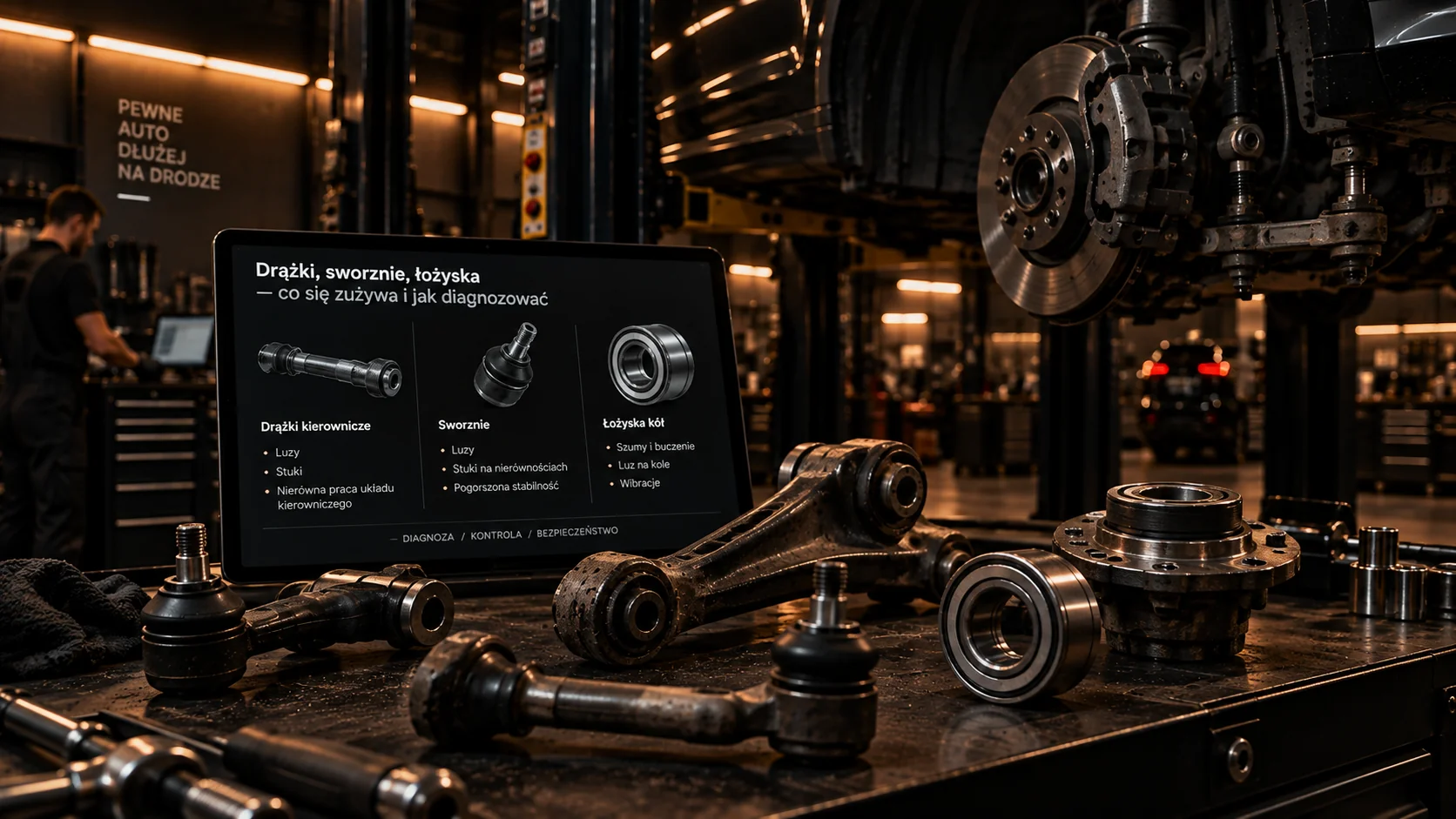
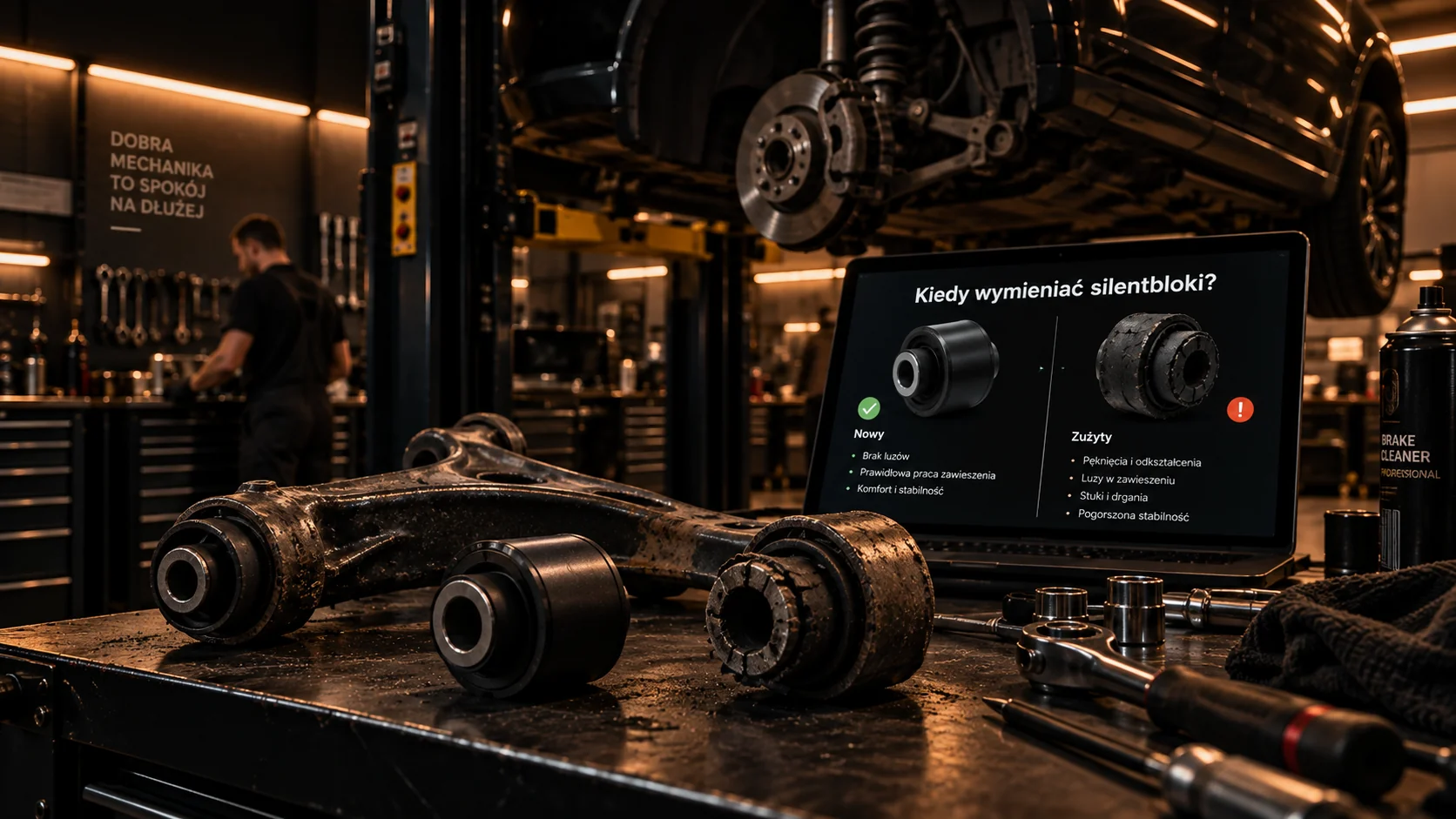
- Knocking over bumps — a typical symptom of worn suspension parts (bushings, anti-roll-bar links, ball joints).
- Bouncing after hitting a kerb — if the car keeps "swaying" for a while, the dampers may be worn out.
- Pulling on a straight road and uneven tyre wear — usually alignment; a 3D HUNTER measurement sets the wheels and calms the handling.
- Play in the steering — noticeable dead travel in the steering is worth checking before a long drive.
8. Emergency kit and documents
Finally, the things that are easy to forget but save the situation in a breakdown or a check, including abroad.
- Warning triangle and fire extinguisher (check the extinguisher's expiry date).
- Hi-vis vest — in many countries mandatory for every passenger; keep it in the cabin, not the boot.
- First-aid kit, repair kit or spare wheel with wrench and jack, jump leads/booster.
- Documents — vehicle registration, valid third-party insurance (and a green card if you're going beyond the standard area), driving licence.
- Basic supplies — water, spare washer fluid, replacement bulbs if your car uses them.
Do it yourself or leave it to us — whichever suits you
A simple check (tyres, fluids, lights) you can calmly handle in our self-service zone by the hour. And if you'd rather have peace of mind, order a full pre-trip inspection — we'll check every point on this list and tell you straight whether the car is ready.
What to do yourself and what to leave to a mechanic
Checking tyre pressure and tread, fluid levels, lights and wipers are jobs you can do yourself — including here, in the self-service zone by the hour. Brake diagnostics, a battery test, Bosch air-conditioning service, 3D HUNTER wheel alignment or a full mechanical inspection are better left to the workshop. If you're planning repairs right before departure, check in advance how to choose and when to change tyres, so you set off on reliable rubber.

Book a pre-trip inspection in Wrocław
We'll check the tyres, brakes, fluids, air conditioning and electrics — you'll head off on holiday with peace of mind.
What should I check in the car before a long drive?
Tyres (pressure, tread, sidewalls), brakes (pads and fluid), fluid levels (oil, coolant, brake fluid, washer fluid), air conditioning, battery and electrics, lights and wipers, suspension, and the emergency kit (triangle, extinguisher, first-aid kit, spare wheel).
How many days before departure should I do the inspection?
Ideally 3–5 days ahead. If something needs a repair or parts, there's still time to order and fit them. A check on the day of departure leaves no margin to react.
What tyre pressure should I set for a trip with luggage?
Use the manufacturer's placard value (driver's door pillar or fuel-filler flap), choosing the fully-laden figure. Check pressure on cold tyres, before driving.
Can I do the pre-trip inspection myself?
Partly yes — tyres, fluids, lights and wipers you can check yourself, including in the self-service zone by the hour. Brake diagnostics, a battery test, AC service and wheel alignment are best left to a workshop.
Where can I get a pre-holiday car inspection in Wrocław?
With us at Grabiszyńska 241 in Wrocław — a full pre-trip inspection or a self-service check on your own. You can book a slot online in a few minutes.