




Winterizing your car comes down to four fronts: checking your battery's condition (frost can take away up to half its capacity), switching to winter washer fluid and checking your coolant's concentration, assessing your wiper blades, and switching to winter tires once the temperature drops steadily below 7°C. The most common winter roadside-assistance call isn't a mechanical breakdown — it's a dead battery, and that's exactly the easiest thing to check ahead of time. Below we go through exactly what to check and why, before the first serious frost hits.
The Battery — Why Frost Finishes It Off, Not Summer Heat
A battery that started the engine without issue all summer can suddenly seem to "die" in winter. That's not a coincidence — low temperature physically limits how much current a battery can deliver, while at the same time the engine needs more energy to start in winter, because the oil is thicker and creates more resistance.
- Capacity loss in freezing temperatures — at –20°C a battery can deliver up to 30–50% less current than at room temperature, even though its technical condition hasn't changed.
- Age matters — a battery older than 4–5 years loses capacity permanently, so even if it "got by" in summer, it may not be enough come winter.
- Short trips don't fully recharge the battery — if most of your driving is just a few kilometers around town, the battery may already be partially discharged going into winter.
- Corrosion on the terminals restricts current flow — it's worth checking that the contacts are clean and properly tightened.
A Capacity Test Takes Just a Few Minutes
If your battery is more than 4 years old, or the engine has started turning over noticeably slower in winter, it's worth doing a load test before the first serious frost — not after the car won't start in the parking lot one morning.
What a Battery Load Test Actually Shows
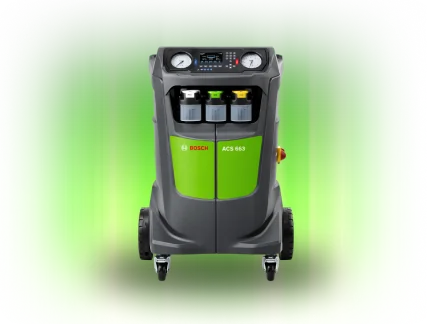
Just measuring voltage on a resting battery doesn't tell you much — even a weak battery can show a seemingly normal voltage until it's put under load. That's why a workshop test looks different from checking it at home with a multimeter.
- Voltage under load — the tester simulates a current draw close to engine startup and checks whether the voltage drops below a safe level.
- CCA (Cold Cranking Amps) — a rating showing how much current the battery can deliver at low temperature; comparing the measured value against the manufacturer's rating reveals the real health of the cells.
- Alternator charging condition — it's also worth checking that the alternator properly recharges the battery while driving, since even a new battery will drain if it isn't charged correctly.
Fluids — What to Check Before the Season
Three fluids in your car matter directly in winter, each for a different reason.
- Washer fluid — summer fluid freezes at even a light frost, which can damage the washer pump and hoses. Winter fluid (typically rated down to –20°C or lower) needs to go in before the first frost hits, not after.
- Coolant — glycol concentration determines the freezing point of the cooling system; overly diluted coolant (say, after topping up with plain water over summer) can freeze in winter and damage the radiator or cylinder head. Concentration can be checked with a simple tester in a few minutes.
- Engine oil — thicker oil creates more resistance during a cold start. If the car mostly drives in low temperatures, it's worth confirming at the workshop that the oil's viscosity (the first number in the rating, e.g. 5W) is right for winter conditions.
Don't Mix Summer and Winter Fluid by Guesswork
Topping up winter washer fluid on top of leftover summer fluid dilutes the concentration and lowers its frost resistance. It's safer to empty the tank and pour in fresh winter fluid than to guess at proportions.
Wiper Blades — When You Really Need to Replace Them
Wiper blade rubber hardens in low temperatures and loses flexibility — even blades that worked fine all summer can start streaking or skipping across the glass in winter. This is exactly the season when good visibility matters most, so it's worth assessing them before winter hits, not during the first snowstorm.
- Streaking and skipping on dry glass is the most common sign of worn wiper rubber.
- Cracks or peeling rubber visible on inspection — the blade should be replaced right away in that case, without waiting for it to get worse.
- Winter wiper blades (reinforced, sometimes with an ice-guard cover) handle snow and slush better than standard ones.
- Washer nozzles are worth checking for clogs — a blocked or frozen nozzle is often the first sign that summer fluid is still in the tank.
Tires — A Quick Reminder
We covered winter tires in detail in a separate article, so here's just the essentials: winter tires are worth fitting once the average daily temperature drops steadily below 7°C, and Poland has no legal requirement to run winter tires — only a recommendation and a general requirement for roadworthy tires. For the full explanation of timing, regulations, and how to store the removed set properly, see our guide switching to winter tires — timing, regulations, and storage.
The Rest of the Pre-Winter Checklist
Beyond the four main points, it's worth checking a few small things while you're at it — easy to overlook, but they genuinely make winter driving easier. It's a good opportunity for a full check-up along the lines of our checklist pre-trip car inspection — you'll also find points there on brakes and lighting worth checking regardless of season.
- Lighting — check every bulb (shorter days mean more driving after dark) and inspect the headlights for fogging.
- Door and trunk seals — treated with silicone spray, they're less likely to freeze to the bodywork in frost and damp conditions.
- An ice scraper and snow brush in the car, not in the garage — one of those things you need exactly when it's not within reach.
- An emergency kit — a blanket, flashlight, and phone charger are worth keeping in the trunk in case of a long traffic jam or breakdown.
Everything in One Appointment
The battery, fluids, wipers, and tires can all be checked and topped up in a single visit — no need to book separately for each item. It's usually the fastest way to be sure your car is winter-ready, instead of checking everything point by point yourself.
When to Book Your Pre-Winter Check-Up
The best time is September or early October, before workshop slots start filling up alongside the seasonal tire swap. It's also worth checking the battery and fluids early because a potential replacement (say, if the test shows a weak battery) takes longer than a routine check, and parts orders can mean waiting during peak season.
- September–October — a calm period, full choice of time slots, and time for a part replacement without pressure if needed.
- November — still a good time, but slots start filling up alongside the seasonal tire swap.
- The first frost — the worst time to look for an open slot, because every other driver is looking for one at the same time.
The cost of the pre-winter check-up itself depends on scope — the quote looks different when everything's fine and you just need a top-up of fluids versus when the test shows the battery or wipers need replacing. That's why we always give you an exact quote before starting any work, so you know exactly what you're paying for before you decide.
How do I know my battery won't survive the winter?
The most common signs are a slower engine start, dimming lights when starting, and a battery older than 4–5 years. If in doubt, a load test at the workshop is the most reliable way to know.
Do I need to change the oil before winter?
Not always — if the oil is on schedule per the manufacturer's recommended interval, it's enough to confirm its viscosity suits the low temperatures you actually drive in.
When should I put in winter washer fluid?
Ideally before the first frost, not after — frozen summer fluid in the lines can damage the washer pump.
Should I replace wiper blades every year before winter?
Not necessarily every year, but it's worth assessing their condition before the season — wiper rubber hardens in the cold, and blades that worked fine in summer can start streaking in winter.
Can I check everything in a single workshop visit?
Yes — the battery, fluids, wipers, and seasonal tire swap can all be handled in a single appointment, without booking separately for each item.
Do frequent short trips harm the battery in winter?
Yes — short trips don't give the alternator time to fully recharge the battery, and cold starts use more energy than warm ones. If most of your driving is just a few kilometers around town, the battery goes into winter with less reserve than it would with longer, regular drives.
What oil should I choose for winter?
The first number in the viscosity rating (e.g. 5W) decides it — the lower it is, the easier the cold start. It's best to confirm at the workshop that your current oil matches the car manufacturer's recommendation for the low temperatures you actually drive in.

Book Your Pre-Winter Check-Up Before the First Frost
Battery, fluids, wipers, and tires — we'll check everything in one visit at Grabiszyńska 241.